Dr. Tracie Abbott, Psy.D.
Licensed Clinical Psychologist
Professional Experience & Training. I received a masters degree in 2013 from the University of Denver’s International Disaster Psychology (IDP) program in their Graduate School for Professional Psychology. The program focused on bringing a psychological component of care to disaster settings and scenarios and placed an emphasis on training and education through a multicultural lens. Through the IDP program I gained valuable academic and clinical experience in the areas of psychological first aid, trauma recovery, and grief and loss.
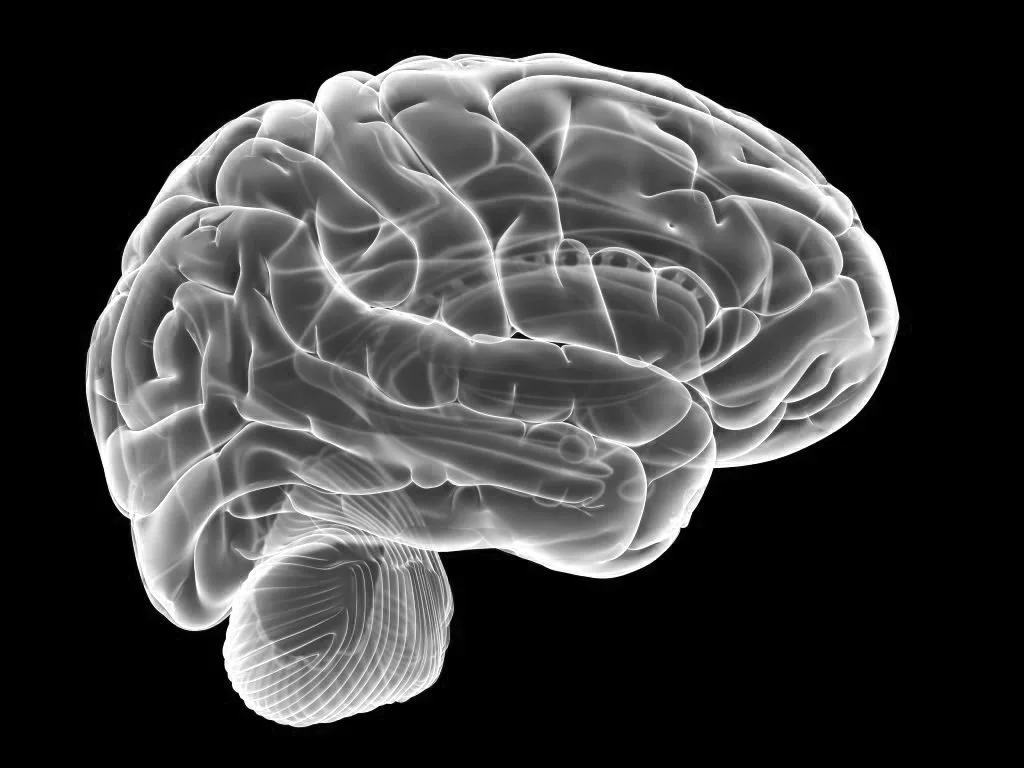
In 2019 I received my doctorate degree in clinical psychology from the University of Denver’s Graduate School of Professional Psychology with a specialty focus of trauma informed care and System’s Theory. My academic and clinical training focused on reviewing what we know from current research about the impacts of early childhood adversity on brain development. This has greatly impacted my clinical practice by providing a greater insight into how our brains work and how they can be impacted in both the short and long-term following trauma exposure. This has led me to place an emphasis on helping my clients understand their experience on a biological level including how their brains and bodies work and how they might respond or be impacted following a significant stressor. Understanding our biology can not only help increase insight into our current symptoms, but can also propel us forward into a greater understanding of what is needed to help our bodies heal and ultimately thrive following adversity. During this time my clinical experience included working for a children’s advocacy center as well as multiple non-profits specializing in supporting survivors of sexual assault, physical and emotional abuse, and intimate partner abuse providing individual, family, couple, and group therapies. I have experience facilitating both process oriented and psychoeducational groups for survivors of sexual assault as well as psychoeducational groups for caregivers and loved ones of survivors focusing on how they can best support survivors.
At Western Youth Services (WYS), the largest provider of community mental health services for kids and families in Orange County, California I completed a one-year internship followed by a two-year fellowship. At WYS I conducted individual, group, and family therapy with children, adolescents, young adults, and caregivers using evidence based practices. In addition to therapeutic services I also conducted and provided training on comprehensive psychological assessments aimed at clarifying diagnosis and assessing cognitive, behavioral, developmental, and personality functioning.
Principles & Practice
All Are Welcome. About Damn Time Psychology celebrates the diversity and individuality of each client. We each have a unique cultural identity that has been shaped by our cumulative and distinct life experiences. I am committed to the active process of creating an environment and relationship that supports inclusivity and respect of all people, regardless of race, ethnicity, culture, religion or spiritual practice, sex, age, socioeconomic status, perceived or actual sexual orientation, gender identity or gender expression, relationship status or configuration, national origin, or physical and mental abilities. It is my hope, that as trust is earned, clients will feel comfortable exploring and expressing themselves freely, knowing that their unique experiences and perspectives are valued. In addition, I believe it is essential for me, as a professional, to engage in the ongoing process of considering/acknowledging my own multifaceted-identity, how the various aspects of my identity and lived-experience intersect, as well as the impact any of those intersections may have on the therapeutic relationship. Therapy truly is an actively collaborative process.
My Approach. It is my belief that all individuals are uniquely complex and multifaceted, each with their own distinct cultures, backgrounds, experiences, and needs. Therefore, effective therapeutic services cannot be a one-size-fits-all approach. The specific modalities and techniques used throughout the course of treatment will vary depending on the individual client, their presenting problem, symptom presentation, and goals for therapy. At the start of therapy our goal will be to work together to gain a better understanding of your specific needs and goals (typically about three sessions). Once I have a confirmation that have understood your needs and goals I will make a recommendation, based on my clinical expertise and scientific knowledge, as to the best course of treatment and discuss any specific modalities or techniques we plan to use throughout the course of treatment. Healing and growth are deeply personal processes, and no two journeys are alike.
Therapy is a Collaborative Process. I firmly believe that each client is the expert on themselves and their unique experience. As such, I work to empower clients to play an active role in their therapeutic process as an esteemed partner and expert, illuminating their distinct experiences, perspectives, strengths, and vulnerabilities throughout the course of treatment. If something isn’t working for you, throughout the course of our work together, I want to know! The power of collaboration and a continuous feedback loop between client and psychologist allows for a more dynamic, tailored, and effective approach to treatment.
Evidence-Based Care. As a licensed clinical psychologist trained in the science-practitioner model I subscribe to a high level of established ethical and professional standards of practice. I am therefore committed to staying up to date with the current research and literature on evidence-based best practices. An emphasis on applied research is central to my work as a psychologist. We will work together to develop and test hypotheses, and through an active feedback loop will work to modify and tailor approaches and interventions to most effectively meet your unique needs and goals.
Areas of Expertise.
-
Sexual Assault
Emotional or Physical Abuse
Intimate Partner Violence/Abuse
Grief & Loss -
Family/Relational Conflict
Ineffective Patterns of Communication
Setting and Maintaining Healthy Boundaries
Infidelity and Betrayals of Trust
-
Hospice/End of Life Care
Sudden and Unexpected Death
Ambiguous Grief
Death by Suicide or Substance Use
Child Death Loss
-
Stress/Burnout
Setting and Maintaining Healthy Boundaries
Effective Communication
Positive Discipline
Realistic Self-Care
Co-Parenting
Co-Parenting After Divorce
-
Identity Development
Interpersonal Relationships & Social Skills
Active Coping Strategies
Recovery from Trauma
Family Conflict
Life Transitions
-
Changes in Caregiving Roles
Dissolution of Relationship/Marriage
Changes in Caregiving Roles
Sudden/Unexpected Life Changes
-
Vicarious Trauma
Burnout
Shame/Regret
Significant Counter-Transference
Modalities & Methods.
Acceptance and Commitment Therapy (ACT)
Cognitive Behavioral Therapy (CBT)
Cognitive Processing Therapy (CPT)
Dialectical Behavioral Therapy (DBT)
Emotion-Focused Therapy EFT
Family Systems
Functional Family Therapy (FFT)
Integrative Behavioral Couple Therapy (IBCT)
Parent-Child Interaction Therapy (PCIT)
Trauma Focused Cognitive Behavioral Therapy (TF-CBT)
Specialization: Trauma Informed Care
I specialize in working with survivors of trauma, including sexual assault, physical and emotional abuse, intimate partner abuse, and grief and loss. Typically when addressing in these areas in therapy, I recommend working from a three stage approach described below.
-
This is the first, and often most important, stage of trauma informed care. A foundation of safety and trust is essential for therapeutic growth. During this first stage I encourage clients to initially speak sparingly about their traumatic experience until we have made progress towards building trust and safety within the therapeutic relationship, addressed any physical or emotional safety concerns, and developed skills to manage stress responses. Initially, we will work to increase your sense of awareness and control by discussing common physical, emotional, and interpersonal responses to traumatic experiences. Interventions in this stage focus on developing your skill and mastery of implementing coping mechanisms in response to stress. To build competency we first start practicing new skills in response to small stressors and gradually work our way towards their application in increasingly high-stress/reactive states. Once you have demonstrated the ability to effectively implement coping mechanisms in response to trauma reactions/triggers we will discuss whether or not you feel ready to for the next stage of treatment.
-
In the second stage of treatment the intensity of the trauma exposure is increased. This entails discussing difficult aspects of your traumatic experience more directly. It is important to note that the exposure stage of treatment, your readiness, and your willingness to engage, is entirely voluntary and controlled by YOU. The goal of this stage is to process your trauma in a physical, environmental, and relational state of safety as opposed to reactivity. Throughout this stage we will work together to gain insight into your experience and challenge ineffective patterns of thinking and responding.
-
Once we have established a strong foundation of coping skills and identified more effective ways of interpreting and responding to trauma reminders we will then enter the third stage of treatment. This phase centers on empowerment, as we integrate the lessons from our therapeutic work into meaningful ways to move forward. Our focus shifts towards reconnecting with people, engaging in meaningful activities, and rediscovering other essential aspects of life. In this stage you are presented with the empowering choice of how you want the traumatic event to influence your future.
Guiding Values